
Top 10 Best Power Inverters 2026
The top 10 best power inverters for 2026 offer cutting-edge solutions for converting DC to AC power, catering to diverse needs from camping to emergency backups. These standout devices deliver reliable performance, featuring advanced safety systems, multiple outlets, and efficient energy transfer. Designed for versatility, they power everything from small gadgets to heavy appliances, ensuring seamless operation in cars, RVs, or homes. With sleek designs and robust builds, these inverters combine innovation and durability, making them essential tools for modern power demands in 2026
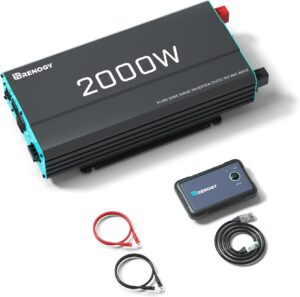
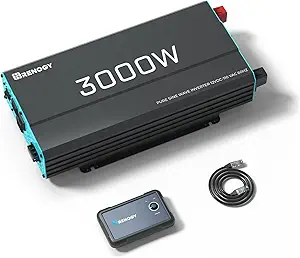
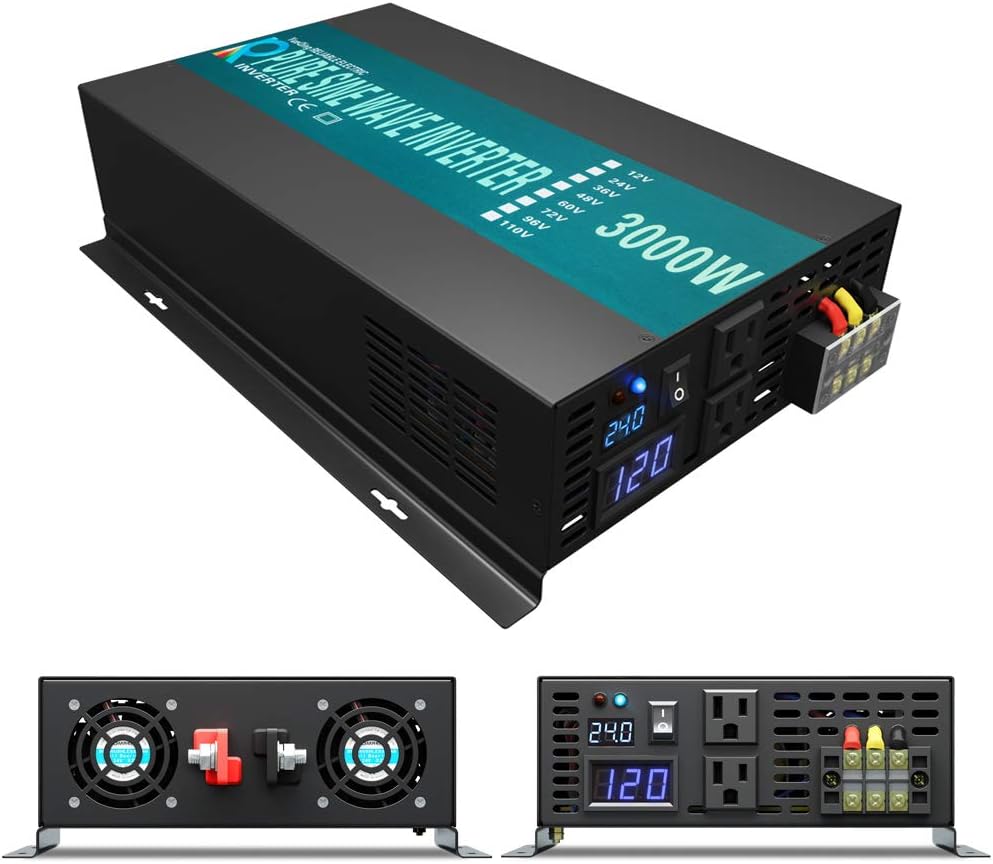
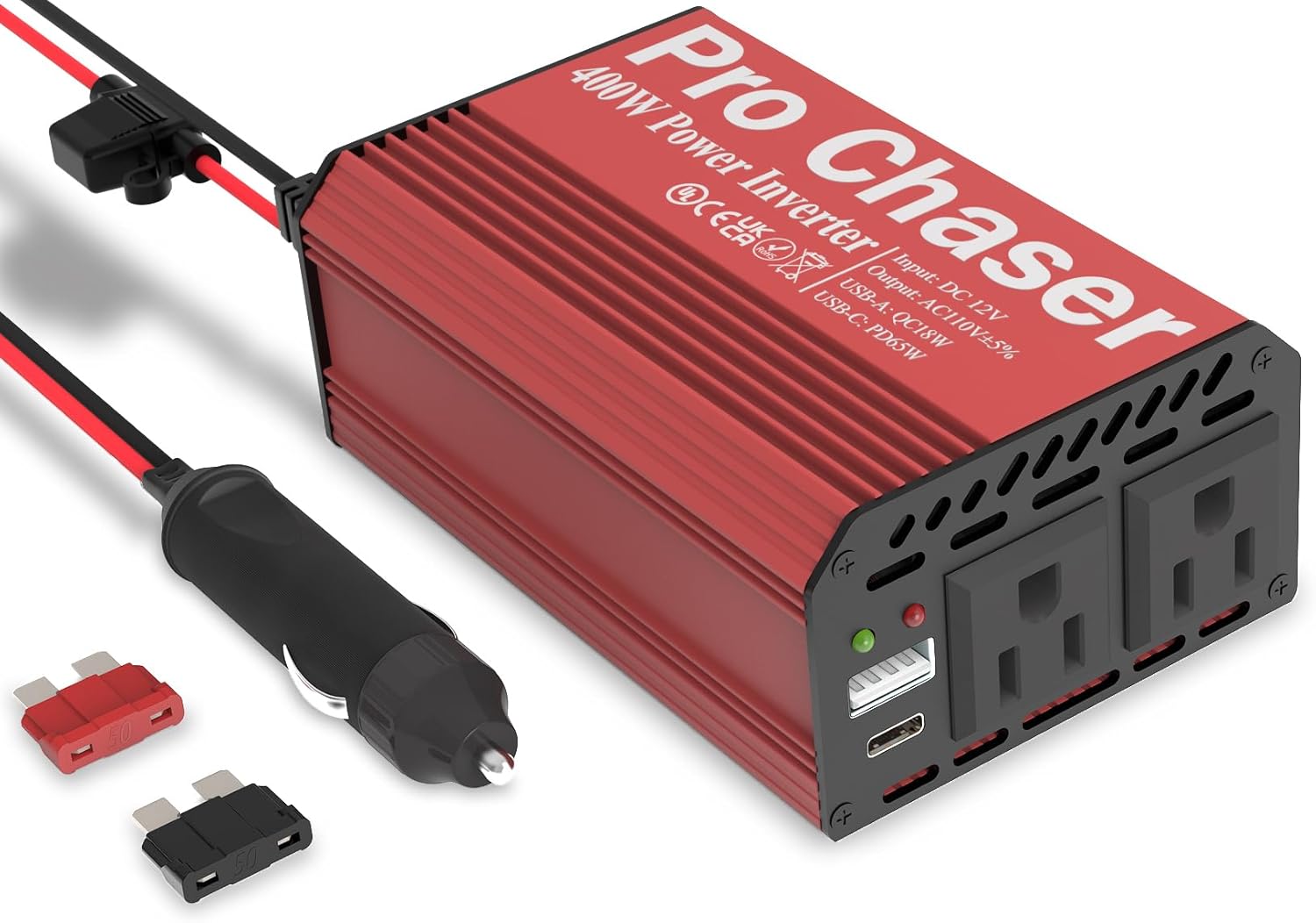
Frequently Asked Questions
What is a power inverter and what is it used for?
A power inverter is a device that converts DC (direct current) power from a car battery, RV battery, or solar battery into AC (alternating current) power used by most household electronics. It allows you to run laptops, TVs, power tools, small appliances, and other devices when you're off-grid, traveling, camping, or during power outages.
What size power inverter do I need?
The right power inverter depends on the total wattage of the devices you plan to use. Small inverters rated between 300 and 600 watts are suitable for charging laptops and phones, while 1,000 to 2,000-watt models can power larger appliances and multiple devices. Always choose an inverter with a higher wattage than your expected power requirements for safe and reliable performance.
What is the difference between a pure sine wave and a modified sine wave inverter?
Pure sine wave inverters produce clean, stable electricity that is safe for sensitive electronics such as laptops, medical equipment, and modern appliances. Modified sine wave inverters are more affordable and work well for basic devices like lights, fans, and simple tools. For maximum compatibility and performance, a pure sine wave inverter is usually the better choice.
Can a power inverter run household appliances?
Yes, a power inverter can operate many household appliances as long as its wattage rating matches the appliance's power requirements. Depending on the inverter's capacity, it can power TVs, refrigerators, microwaves, coffee makers, and small kitchen appliances. Always check both the running and starting wattage of your appliances before connecting them.
What should I look for when buying a power inverter?
When choosing a power inverter, consider its power output, waveform type, number of AC outlets, USB ports, efficiency, cooling system, and built-in safety features. Protection against overload, overheating, short circuits, and low battery voltage can help ensure safe operation and extend the lifespan of both the inverter and your connected devices.